Acute Kidney Injury Associated With Semaglutide
Mar 29, 2023
Abstract
We report 2 patients with acute kidney injury on the glucagon-like peptide 1 (GLP-1) agonists exenatide and liraglutide. We report 2 patients with chronic kidney disease due to diabetic nephropathy who had rapid deterioration of renal function and increased proteinuria after administration of the GLP-1 receptor agonist Semaglutide. 1 patient had a renal biopsy showing advanced diffuse and nodular glomerulosclerosis with interstitial lymphoplasmacytic and eosinophil infiltration and acute tubular injury. The long-term outcome of patients with acute kidney injury associated with GLP-1 receptor agonists is currently unknown. We recommend caution in the use of these agents in patients with moderate to severe chronic kidney disease because of the limited renal reserve at the time of an adverse renal event. Since most renal adverse events occur in patients with gastrointestinal adverse symptoms, such patients should undergo laboratory testing and discontinue the drug if an acute deterioration in renal function occurs.
Keywords
Acute Kidney Injury; Semaglutide; Diabetic Nephropathy; Cistanche extract.
Introduction
In recent years, 2 new classes of medications have been introduced into clinical medicine for the treatment of type 2 diabetes mellitus (DM): glucagon-like peptide 1 (GLP-1) receptor agonists and sodium-glucose cotransporter 2 (SGLT2) inhibitors. A recent study for type 2 diabetes and chronic kidney disease (CKD; estimated glomerular filtration rate [eGFR], 30-<90 mL/min/1.73 m2 and urinary albumin-to-creatinine ratio;300 mg/g creatinine), the SGLT2 inhibitor canagliflozin was shown to improve renal and cardiovascular outcomes GLP-1 receptor agonists were also shown to have cardioprotective effects. shown to be cardioprotective and is also thought to be renoprotective2 although published data in patients with CKD are scarce.
There have been many post-marketing reports of patients taking the GLP-1 receptor agonist Semaglutide who developed acute kidney injury (AKI) and worsened CKD Clinical details of these patients have not been published. We report 2 patients with CKD due to diabetic nephropathy who had rapid deterioration of renal function after administration of the GLP-1 receptor agonist Semaglutide (Ozempic, Novo Nordisk, Inc., Bagsværd, Denmark).

Click here to know the effects of Cistanche on kidneys.
Case reports
Case 1
An 80-year-old woman with early diabetes, hypertension, and chronic kidney disease presented to a renal clinic with increased leg edema. Medications included amlodipine, insulin, metoprolol, and valsartan/hydrochlorothiazide. She received weekly injections of Semolutide for 5 months prior to the onset of the disease. At that time, the patient's serum creatinine level was 1.59 mg/dL (eGFR, 30 mL/min/1.73 m2) and serum albumin level was 3.3 g/dL. urinary protein incretin ratio (UPCR) was <1 g/g. The rate of decline in eGFR over the previous 6 years was 1.5 mL/min/ 1.73 m2 /year. The patient started weekly injections of 0.25 mg 4 months prior to presentation. after the dose was increased to 0.5 mg, she developed nausea and vomiting the day after injection, so she was advised to maintain the weekly dose of 0.25 mg and to perform laboratory studies (complete blood count and serum electrolytes, urea nitrogen, creatinine, glucose, amylase, and lipase). The patient did not have laboratory tests. A month before the presentation, the patient tried again to increase the dose to 0.5 mg, but again this resulted in nausea and vomiting, so she stopped the injections after a few weeks.
At the time of her visit to the renal clinic, the patient reported that she felt well except for swelling in her legs. She had no illnesses or hospitalizations in the past 5 months, and no new medications (except Semolutide) or medication dose adjustments had been prescribed. She reported no use of nonsteroidal anti-inflammatory drugs (NSAIDs). Examination revealed a blood pressure of 162/82 mmHg and peripheral edema (3+). Serum creatinine was 3.50 mg/dL (eGFR, 11 mL/min/1.73 m2) and serum albumin was 2.9 g/dL, UPCR 4.9 g/g. eGFR decreased abruptly after a previous slow decrease. Urinalysis results were protein (3+), glucose (2+), 8 white blood cells, and 1 red blood cell. Urine culture was negative. Serological studies excluding glomerulonephritis and serum-free light chains showed normal results.
As renal function did not improve after drug discontinuation, a renal biopsy was performed 5 weeks after the visit and revealed advanced diffuse and nodular glomerulosclerosis; 23 of the 36 glomeruli were sclerotic overall and the remaining 13 showed segmental thylakoid expansion. Interstitial lymphoplasmacytic and eosinophilic infiltrates and acute tubular injury were present. There was no immune complex or light chain restriction. No recovery of renal function and no reduction in proteinuria were observed after discontinuation of Semotide treatment.

Cistanche benefits the kidneys
Case 2
A male in his 60s with diabetes, hypertension, and CKD has initially identified for CKD management 8 years ago. Blood pressure was well controlled with a stable eGFR in the range of 30- 35 ml /min/1.73 m2 and a UPCR of 400 - 500 mg /g for the past 7 years. urinalysis showed protein (2+) but was otherwise unremarkable. Medications included lisinopril/hydrochlorothiazide, carvedilol, and amlodipine. He reported no use of NSAIDs. Four months prior to the visit, the patient began weekly injectable treatment with Semolutide. He took 0.25 mg for 2 weeks, after which the dose was increased to 0.5 mg. He took a single dose of 0.75 mg but then returned to a dose of 0.5 mg. At presentation, eGFR decreased to 24 mL/min/1.73 m2, and treatment with lisinopril/hydrochlorothiazide was discontinued. One week later, eGFR was 22 mL/min/1.73 m2 and UPCR increased to 1333 mg/g. The patient had no gastrointestinal symptoms but decreased appetite and fatigue and lost 15 pounds. Discontinuation of Seglutide treatment resulted in regression of symptoms and weight gain. However, there was no improvement in renal function or proteinuria.
Discussion
In the above patient, the rapid decline in renal function was associated with the use of Semotide in the absence of other causes (such as dehydration, hypotension, or the use of NSAIDs or other nephrotoxic drugs). In case 1, the renal biopsy revealed diabetic nephropathy with interstitial nephritis and acute tubular injury. Case 2 experienced substantial weight loss (a known effect of Semolutide), which may have contributed to the decrease in renal function. Both patients had possible adverse drug reactions according to the Naranjo volume. In both patients, AKI was associated with increased proteinuria. Proteinuria and renal function did not improve after discontinuation of the drug in both patients.
In phase 3b trials with Semolutide, a higher incidence of AKI was reported with Semolutide compared with the comparator group (8 cases with Semolutide, 1 case with dulaglutide, and none with either placebo or canagliflozin). There are published case reports of AKI in patients taking exenatide or liraglutide; in patients undergoing a renal biopsy, both acute tubular injury and interstitial nephritis were seen in affected patients who usually had gastrointestinal symptoms (nausea, vomiting, and occasionally diarrhea). Only a minority had underlying CKD. both of our patients had underlying CKD and gastrointestinal adverse effects, although only case 1 presented with nausea and vomiting.
Both SGLT2 inhibitors and GLP-1 receptor agonists are recommended as second-line agents in patients with type 2 diabetes at increased cardiovascular risk after metformin and lifestyle changes In patients with CKD, GLP-1 receptor agonists are recommended for patients who are intolerant to SGLT2 inhibitors, contraindicated, or have inadequate eGFR. However, evidence for the renoprotective effects of GLP-1 receptor agonists is lacking. In the trial evaluating cumulative cardiovascular and other long-term outcomes in patients with type 2 diabetes (SUSTAIN- 6), although cumulative had a significant benefit on composite renal outcomes including massive albuminuria, there was no benefit on worsening renal function A recent meta-analysis of large cardiovascular outcome trials of GLP-1 receptor agonists showed that GLP-1 receptor agonists improved cardiovascular and renal outcomes, but the renal benefit was primarily due to a reduction in urinary albumin excretion. Worsening renal function outcomes were only slightly attenuated with no significant reduction This contrasts with the 45% reduction in renal disease progression in a pooled analysis of 3 large extensive including cardiovascular outcome trials of SGLT2 inhibitors No adverse renal events were discussed in these meta-analyses of GLP-1 receptor agonists or SGLT2 inhibitors. However, the SGLT2 inhibitor canagliflozin did not increase the risk of AKI in the Renal Events in the Canagliflozin and Diabetic Nephropathy Clinical Evaluation (CREDENCE) trial.

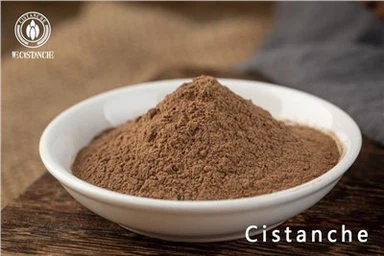
Cistanche tubulosa
Clinical efficacy of dulaglutide and glargine insulin in patients with type 2 diabetes and moderate-to-severe chronic kidney disease (awards -7 In this multicenter open-label trial, patients with type 2 diabetes and stage 3-4 CKD were randomly assigned to the dulaglutide or glargine insulin treatment group. Secondary outcomes included eGFR and urinary albumin-to-creatinine ratio. In patients with massive albuminuria, the change in eGFR from baseline was significantly greater in the insulin group than in the dulaglutide group. The adjudicated renal events (≥30% increase in serum creatinine from baseline) did not differ between dulaglutide and insulin. These events were considered to be due to intrinsic renal causes and occurred in 2% of the dulaglutide group and in 1% of the insulin group. The incidence of nausea and diarrhea was higher after dulaglutide administration.
In the absence of literature, we searched Evidex (Advera Health) for AKI associated with the use of Semaglutide and other GLP-1 receptor agonists. Semaglutide has a higher ratio of reported AKI (ROR) and information component (IC) compared to other GLP-1 receptor agonists. However, because ROR and IC are calculated based on spontaneously reported information that has not been scientifically or otherwise validated for causality, they cannot be used to estimate incidence or relative risk. Comparisons cannot be made from these data, even for the same class of drugs. Therefore, we cannot determine whether emotive is more frequently associated with AKI compared with other GLP-1 receptor agonists. However, there is a reason for concern, as more than 1 signal detection metric indicated a higher than average reporting rate for Sermoglutide AKI (ROR interval >1, IC positive).
The association of AKI with GLP-1 receptor agonists, particularly Semaglutide, is not necessarily causal. However, it is of concern that AKI events associated with GLP-1 agonists may have serious adverse consequences, including the need for hemodialysis in some cases The long-term outcome of patients with AKI associated with GLP-1 receptor agonists is also unclear. We recommend caution in the use of these agents in patients with moderate to severe CKD because of limited renal reserve in the event of an adverse renal event. Since most cases of AKI occur in patients with adverse gastrointestinal symptoms, such patients should undergo laboratory tests and discontinue the medication if renal function deteriorates acutely.

standardized Cistanche
Why can Cistanche benefit the kidneys?
Cistanche tubulosa is a kind of rare Chinese medicinal material parasitizing in deserts. Contains a large number of phenylethanoid glycosides, Echinacoside, and Verbascoside. These ingredients are very helpful to human kidney function. Long-term and rational use of Cistanche extract has unexpected benefits for the kidney.
REFERENCES
1. Perkovic V, Jardine MJ, Neal B, et al; CREDENCE Trial Investigators. Canagliflflozin and renal outcomes in type 2 diabetes and nephropathy. N Engl J Med. 2019;380(24):2295-2306.
2. Kristensen SL, Rørth R, Jhund PS, et al. Cardiovascular, mortality, and kidney outcomes with GLP-1 receptor agonists in patients with type 2 diabetes: a systematic review and meta-analysis of cardiovascular outcome trials. Lancet Diabetes Endocrinol. 2019;7(10):776-785.
3. Advera Health Analytics, Inc. (2020)“FAERS Adverse Event, Acute Kidney Injury, Glucagon-like peptide-1 (GLP-1) Analogues Classification Comparison Report.” Evidex.
4. Naranjo CA, Busto U, Sellers EM, et al. A method for estimating the probability of adverse drug reactions. Clin Pharmacol Ther. 1981;30(2):239-245.
5. Pratley RE, Aroda VR, Lingvay I, et al. Semaglutide versus dulaglutide once weekly in patients with type 2 diabetes (SUSTAIN 7): a randomized, open-label, phase 3b trial. Lancet Diabetes Endocrinol. 2018;6(4):275-286.
6. Lingvay I, Catarig AM, Frias JP, et al. Efficacy and safety of once-weekly Semaglutide versus daily canagliflozin as an add-on to metformin in patients with type 2 diabetes (SUSTAIN 8): a double-blind, phase 3b, randomized controlled trial. Lancet Diabetes Endocrinol. 2019;7(11):834-844.
7. Zinman B, Bhosekar V, Busch R, et al. Semaglutide once weekly as an add-on to SGLT-2 inhibitor therapy in type 2 diabetes (SUSTAIN 9): a randomized, placebo-controlled trial. Lancet Diabetes Endocrinol. 2019;7(5):356-367.
8. Sharma T, Paixao R, Villabona C. GLP-1 agonist associated acute kidney injury: a case report and review. Diabetes Metab. 2019;45(5):489-491.
9. American Diabetes Association. Pharmacologic approaches to glycemic treatment: standards of medical care in diabetes-2019. Diabetes Care. 2019;42(suppl 1):S90- S102.
10. Zelniker TA, Wiviott SD, Raz I, et al. SGLT2 inhibitors for primary and secondary prevention of cardiovascular and renal outcomes in type 2 diabetes: a systematic review and meta-analysis of cardiovascular outcome trials. Lancet. 2019;393: 31-39.
11. Marso SP, Bain SC, Consoli A, et al. SUSTAIN-6 Investigators. Semaglutide and cardiovascular outcomes in patients with type 2 diabetes. N Engl J Med. 2016;375(19): 1834-1844.
12. Neuen BL, Young T, Heerspink HJL, et al. SGLT2 inhibitors for the prevention of kidney failure in patients with type 2 diabetes: a systematic review and meta-analysis. Lancet Diabetes Endocrinol. 2019;7(11):845-854.
13. Tuttle KR, Lakshmanan MC, Rayner B, et al. Dulaglutide versus insulin glargine in patients with type 2 diabetes and moderate-to-severe chronic kidney disease (AWARD-7): a multicentre, open-label, randomized trial. Lancet Diabetes Endocrinol. 2018;6(8):605-617.
14. Sakaeda T, Tamon A, Kadoyama K, Okuno Y. Data mining of the public version of the FDA adverse event reporting system. Int J Med Sci. 2013;10(7):796-803.
15. Novo Nordisk Inc. Ozempic Prescribing Information. Plainsboro, NJ: Novo Nordisk Inc., 2020.
David J. Leehey, Mohamed A. Rahman, Ewa Borys, Maria M. Picken, and Christina E. Clise